
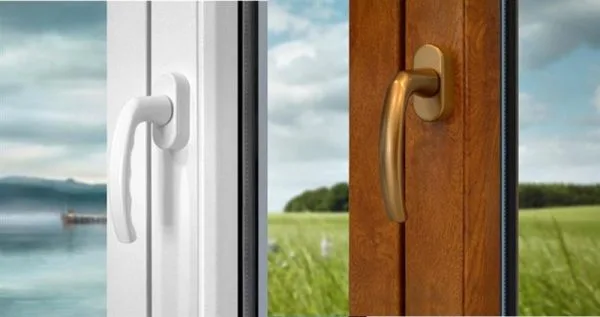
Discover why PVC windows are a top choice for modern buildings, combining durability, cost-effectiveness, and excellent insulation.
PVC windows have become a popular solution in residential and commercial buildings due to their exceptional durability, energy efficiency, and aesthetic versatility. This article will guide you through the key advantages of PVC windows, important installation tips, and how they contribute to reducing your energy bills.
What Are PVC Windows?
PVC (Polyvinyl Chloride) windows are constructed using a plastic polymer known for its robustness, weather resistance, and low maintenance. These windows consist of multiple chambers inside the frame to improve thermal insulation and soundproofing.
- Frame Structure: Multi-chambered profiles that provide stability and insulation.
- Glass Units: Double or triple glazing options with gas fills for thermal efficiency.
- Seals and Gaskets: Ensure airtightness and water tightness.
- Reinforcement: Sometimes reinforced with steel or aluminum to increase strength.
Energy Efficiency and Thermal Performance
One of the main reasons homeowners and builders opt for PVC windows is their excellent thermal insulation properties. The multi-chambered design slows down heat transfer, helping maintain a comfortable indoor temperature throughout the year.
Studies indicate that switching from traditional single-pane windows to double or triple-glazed PVC windows can reduce heat loss by up to 50-70%, significantly cutting heating and cooling costs.
Additionally, modern PVC windows come with low-emissivity (Low-E) glass coatings that reflect infrared heat back inside during winter and reduce solar heat gain during summer.
Installation Tips for Long-Lasting Performance
Proper installation is crucial to fully reap the benefits of PVC windows. Here are some expert tips:
- Correct measurements: Accurate window sizing prevents gaps and air leaks.
- Use of quality sealants: Ensure airtight and waterproof sealing around the frames.
- Structural reinforcement: For larger windows, consider steel reinforcements to maintain frame rigidity.
- Professional installation: Hiring experienced installers reduces risks of improper fitting and warranty issues.
Acoustic Performance: Reducing Noise Pollution
PVC windows are also excellent at reducing external noise. Thanks to their multi-chamber frame design and double or triple glazing, they create a significant barrier against urban noise pollution. This is particularly beneficial for homes near busy streets, airports, or industrial zones, where maintaining a quiet indoor environment is essential for comfort and health.
Research has demonstrated that high-quality PVC windows can reduce noise levels by up to 40-50 decibels, creating a peaceful indoor atmosphere.
Maintenance and Cleaning Tips for PVC Windows
One of the greatest advantages of PVC windows is their low maintenance requirements. Unlike wood frames, PVC does not rot, warp, or require painting. Here are some practical tips to keep your PVC windows looking pristine:
- Regular cleaning: Use mild soap and water with a soft cloth to clean the frames.
- Lubricate moving parts: Apply silicone spray on hinges and locks annually to ensure smooth operation.
- Check seals: Inspect weatherstripping regularly to prevent drafts and moisture ingress.
- Avoid harsh chemicals: Do not use abrasive cleaners or solvents that might damage the surface.
Environmental Impact and Sustainability
Sustainability is increasingly important in construction materials. PVC windows are recyclable and have a long lifespan, which reduces waste and resource consumption. Additionally, their energy-saving capabilities help lower carbon emissions from heating and cooling.
Some manufacturers now use recycled PVC in their window profiles, further reducing the environmental footprint. Choosing PVC windows certified for environmental standards like GreenGuard or LEED can ensure eco-friendly building practices.
Cost Considerations and Value for Money
When compared to wood or aluminum windows, PVC windows generally offer the best value for money due to their combination of affordability, durability, and energy efficiency. Initial investment costs are often lower, while long-term savings in energy bills and maintenance are significant.
For instance, homeowners report saving up to 20-30% on annual heating costs by switching to high-performance PVC windows. Moreover, many governments and utilities offer incentives or rebates for installing energy-efficient windows, making PVC an even smarter choice.
Real-Life Case Studies
Let’s take a look at some real examples where PVC windows have made a notable difference:
- Residential Retrofit: A family in Germany replaced old wooden windows with triple-glazed PVC windows, reducing energy consumption by 45% and eliminating drafts.
- Commercial Building: An office building in the UK installed PVC windows with soundproof glazing, significantly lowering noise complaints from workers near a busy road.
- New Construction: A newly built eco-friendly home in Canada used PVC windows throughout, achieving a Passive House certification for outstanding energy performance.
Frequently Asked Questions (FAQ)
Are PVC windows better than aluminum?
PVC windows generally offer better thermal insulation and are more cost-effective, but aluminum windows provide superior structural strength for large frames.
How long do PVC windows last?
With proper care, PVC windows can last 30-50 years without significant degradation.
Can PVC windows be recycled?
Yes, PVC material is recyclable, and many manufacturers participate in recycling programs.
Do PVC windows require painting?
No, PVC frames come pre-finished and do not require painting or staining.
Conclusion
PVC windows are a practical, energy-efficient, and sustainable choice for modern buildings. Their low maintenance, excellent thermal and acoustic performance, and affordability make them a favorite among homeowners and professionals alike.
By carefully selecting quality PVC windows and ensuring professional installation, you can enjoy improved comfort, lower energy bills, and long-lasting value for decades to come.