
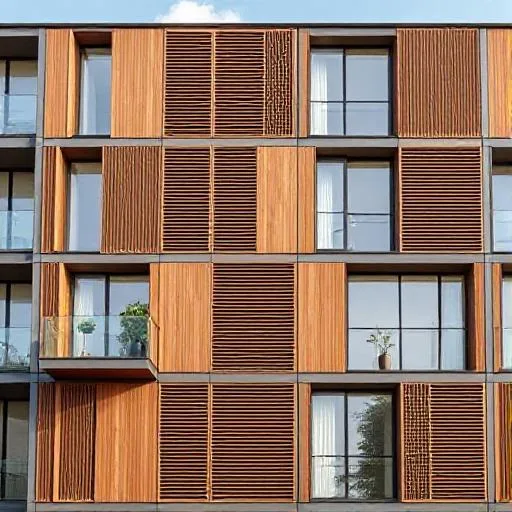
In the realm of modern architecture, the pursuit of energy efficiency, aesthetic appeal, and environmental sustainability has led to the widespread adoption of ventilated facades.
These innovative systems not only enhance the thermal and acoustic performance of buildings but also contribute significantly to their longevity and aesthetic value.
In this article, we delve into the multifaceted benefits of ventilated facades, exploring how they transform buildings into more comfortable, durable, and eco-friendly structures.
What Are Ventilated Facades?
A ventilated facade is a multi-layered building envelope system that includes an external cladding, an air cavity, and an internal structural wall. This design allows for continuous airflow between the cladding and the wall, facilitating the regulation of temperature and moisture levels within the building.
- External Cladding: The outermost layer, which serves as the first line of defense against environmental elements.
- Air Cavity: A ventilated space between the cladding and the structural wall that enables air circulation.
- Insulation Layer: Positioned within the cavity, this layer enhances thermal performance.
- Structural Wall: The innermost layer that provides the building's structural integrity.
Thermal Insulation and Energy Efficiency
One of the most significant advantages of ventilated facades is their ability to improve thermal insulation. The air cavity acts as a buffer, reducing heat transfer between the interior and exterior of the building. During summer, the system allows hot air to escape, preventing heat buildup inside. Conversely, in winter, the insulation layer helps retain indoor warmth, reducing the need for heating.
Studies have shown that buildings equipped with ventilated facades can achieve energy savings of up to 40%, leading to reduced heating and cooling costs and a smaller carbon footprint.
Acoustic Insulation for Enhanced Comfort
Urban environments are often plagued by noise pollution, which can adversely affect the comfort and well-being of building occupants. Ventilated facades contribute to acoustic insulation by dampening external sounds. The air cavity and the materials used in the cladding absorb and deflect sound waves, creating a quieter indoor environment.
This feature is particularly beneficial for buildings located in noisy areas, such as near highways or industrial zones, where noise levels can be a constant source of disturbance.
Moisture Control and Durability
Moisture accumulation can lead to various issues, including mold growth, structural degradation, and reduced indoor air quality. Ventilated facades mitigate these risks by promoting continuous airflow within the air cavity, which aids in moisture evaporation. This constant ventilation prevents the buildup of condensation on the internal wall, thereby protecting the building's structure.
Furthermore, the system shields the structural wall from direct exposure to rain and wind, enhancing the building's durability and reducing maintenance needs.
Aesthetic Flexibility and Design Freedom
Ventilated facades offer architects and designers a wide array of materials, colors, and finishes to choose from, allowing for creative expression and customization. Whether it's sleek metal panels, natural stone, or vibrant ceramics, the possibilities are vast.
This aesthetic flexibility enables the creation of buildings that are not only functional but also visually appealing, aligning with contemporary architectural trends and enhancing the building's market value.
Environmental Sustainability
In an era where environmental concerns are paramount, ventilated facades contribute to sustainable building practices. By improving energy efficiency, these systems reduce the reliance on non-renewable energy sources, leading to lower greenhouse gas emissions.
Additionally, many of the materials used in ventilated facades are recyclable, supporting the principles of a circular economy and reducing construction waste.
Easy Maintenance and Longevity
Maintaining the exterior of a building can be challenging, especially when dealing with traditional cladding systems. Ventilated facades simplify maintenance by allowing rainwater to naturally wash away dirt and debris from the cladding. The air cavity also prevents the accumulation of moisture, reducing the likelihood of staining and corrosion.
With proper installation and periodic inspections, ventilated facades can significantly extend the lifespan of a building, offering long-term value to property owners.
Ideal Applications for Ventilated Facades
Ventilated facades are versatile and can be applied to various building types, including:
- Residential Buildings: Enhancing comfort and energy efficiency for homeowners.
- Commercial Buildings: Providing a professional and modern appearance while reducing operational costs.
- Industrial Facilities: Protecting structures from environmental elements and improving internal conditions.
- Renovation Projects: Upgrading existing buildings to meet contemporary standards without extensive reconstruction.
Conclusion
Ventilated facades represent a harmonious blend of functionality, aesthetics, and sustainability. By improving thermal and acoustic insulation, controlling moisture, offering design flexibility, and contributing to environmental goals, they play a crucial role in modern architecture.
For those considering building or renovating, incorporating a ventilated facade system can lead to significant long-term benefits, including cost savings, enhanced comfort, and increased property value. As the demand for energy-efficient and sustainable buildings continues to rise, ventilated facades stand out as a forward-thinking solution in the construction industry.